Eco-Friendly Builds: Next-Gen Eco Home Makers
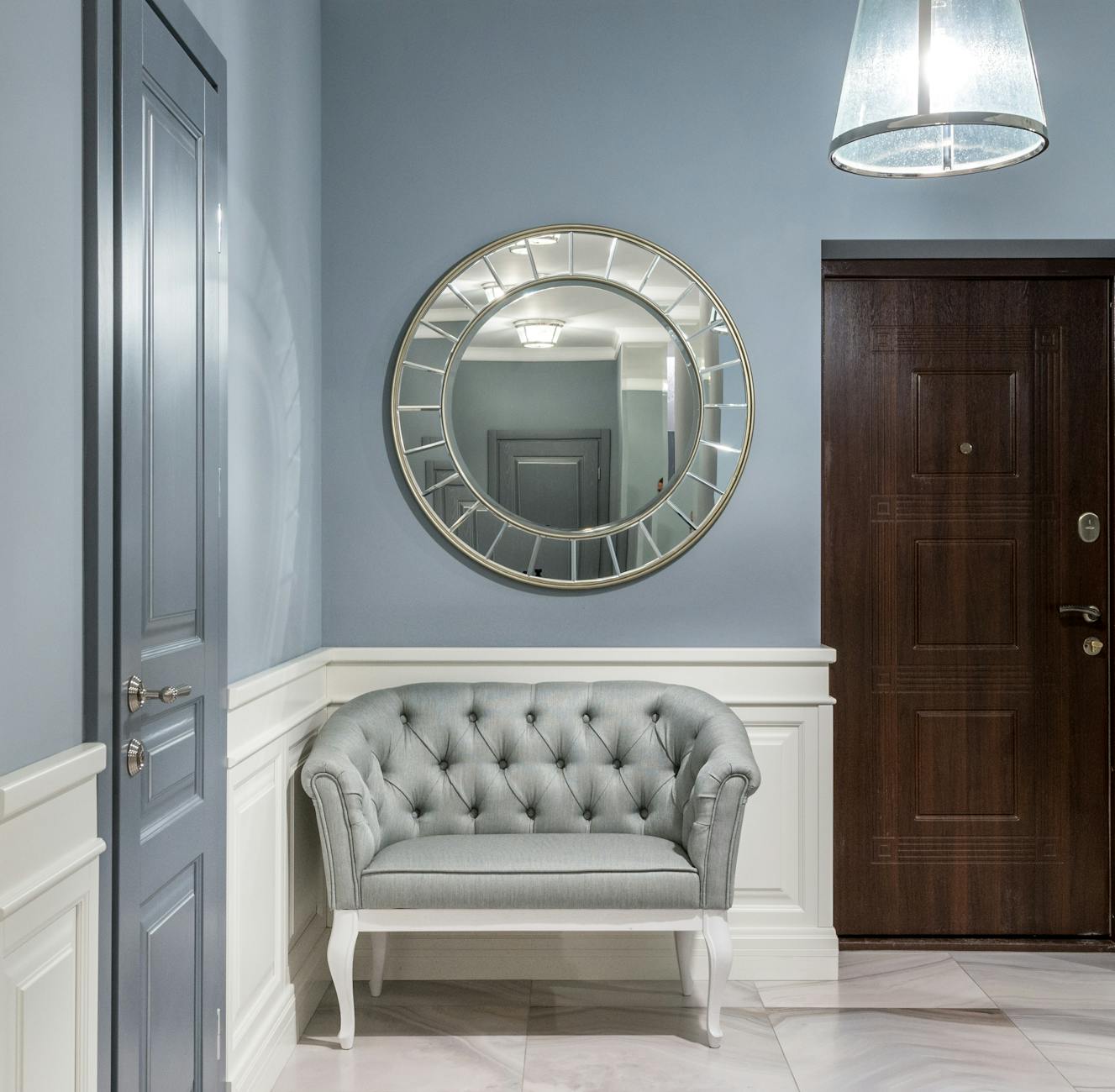
In an era when human activities' environmental footprint can no longer be ignored, a new generation of architects is rising to the challenge, creating innovative eco-friendly home designs that prioritize the well-being of our planet. These "Environmental Home Makers" are committed to a future where structures not only provide shelter but also respect nature's delicate balance.
Sustainable Living Through Innovative Design
Sustainability in architecture goes beyond mere energy efficiency or the use of recycled materials. It encompasses a holistic approach that considers the full life cycle of a building, from construction to decommissioning. Next-gen architects are exploring ways to minimize the environmental impacts of homes, integrating technologies and design philosophies that redefine living sustainably.
Prioritizing Energy Efficiency
Energy conservation stands at the forefront of eco-friendly home designs. Passionate architects incorporate active and passive solar designs to harness the sun's power, reducing reliance on fossil fuels. High-performance insulation, advanced glazing technologies, and strategic building orientation collectively contribute to significantly reducing energy consumption.
Harnessing Renewable Resources
Renewable energy systems, such as solar panels and wind turbines, are becoming increasingly mainstream in residential construction. These systems not only supply homes with clean energy but also offer the potential for homeowners to contribute excess power back into the grid, further extending the environmental benefits of their sustainable choices.
Implementing Water-Saving Solutions
Water scarcity is a pressing global issue. Next-gen architects mitigate this by integrating water-saving solutions into their designs, including rainwater harvesting systems and greywater recycling. These systems reduce water usage, alleviate the strain on municipal water supplies, and reduce the overall environmental impact of the home.
Materials That Matter
A key aspect of the next-gen environmental home is the selection of materials. Utilizing locally-sourced, natural, and non-toxic materials reduces the carbon footprint associated with transportation and promotes a healthier indoor environment for residents.
Embracing Biophilic Design
Biophilic design principles are frequently seen in these eco-friendly homes. This approach fosters a connection between the inhabitants and nature, using elements like living walls, abundant natural light, and a seamless indoor-outdoor transition to improve mental and physical well-being.
Education and Advocacy
Beyond their building projects, next-gen environmental homemakers are educators and advocates for sustainable living. They understand that a sustainable future involves constructing eco-friendly homes, educating the public, and influencing policy to support environmentally responsible building practices.
Community Impact
Many eco-friendly architects also focus on building stronger communities by designing shared spaces encouraging interaction and sustainable living. By creating environments that promote alternative transportation options, community gardening, and collective energy initiatives, these homes do more than house individuals—they foster eco-conscious communities.
In conclusion, the next generation of environmental homemakers is not just reshaping the skyline—they're restructuring the foundation of our daily lives. Their commitment to sustainability, innovative designs, and proactive advocacy lay the groundwork for a future where our homes and lifestyle choices exist in harmony with the planet we call home. The journey towards an eco-friendly society starts at the cornerstone of where we live, and thanks to these pioneering architects, we are building a more sustainable world, one home at a time.